Love the idea of waking up to redwood canyon views and golden Mount Tam sunsets? Mill Valley’s hillside neighborhoods deliver stunning scenery, privacy, and sun, but they also come with unique logistics, wildfire rules, and due‑diligence steps. In this guide, you’ll learn where these homes are, what to expect with access and microclimates, how wildfire and insurance factors shape your offer, and a checklist you can use on any property. Let’s dive in.
Where Mill Valley’s hillside homes are
Mill Valley hugs the south slopes of Mount Tamalpais and drops through several canyons, which naturally creates classic hillside and view homes. You’ll see these most often in Cascade Canyon and Blithedale Canyon west of downtown, Homestead Valley, Tamalpais Park near the ridge, and along the Panoramic Highway and Muir Park ridgelines. Lots in these areas vary by exposure to open space, lot size, access type, and orientation to sun and wind.
Marketwise, Mill Valley’s typical home value sat roughly in the $1.9 million to $2.0 million range in late 2025 to early 2026. Hillside and strong‑view properties often trade at the upper end of local ranges. That premium can be balanced by higher maintenance, insurance, and mitigation costs, so it pays to work from neighborhood‑level comps rather than townwide averages.
What hillside living looks like day to day
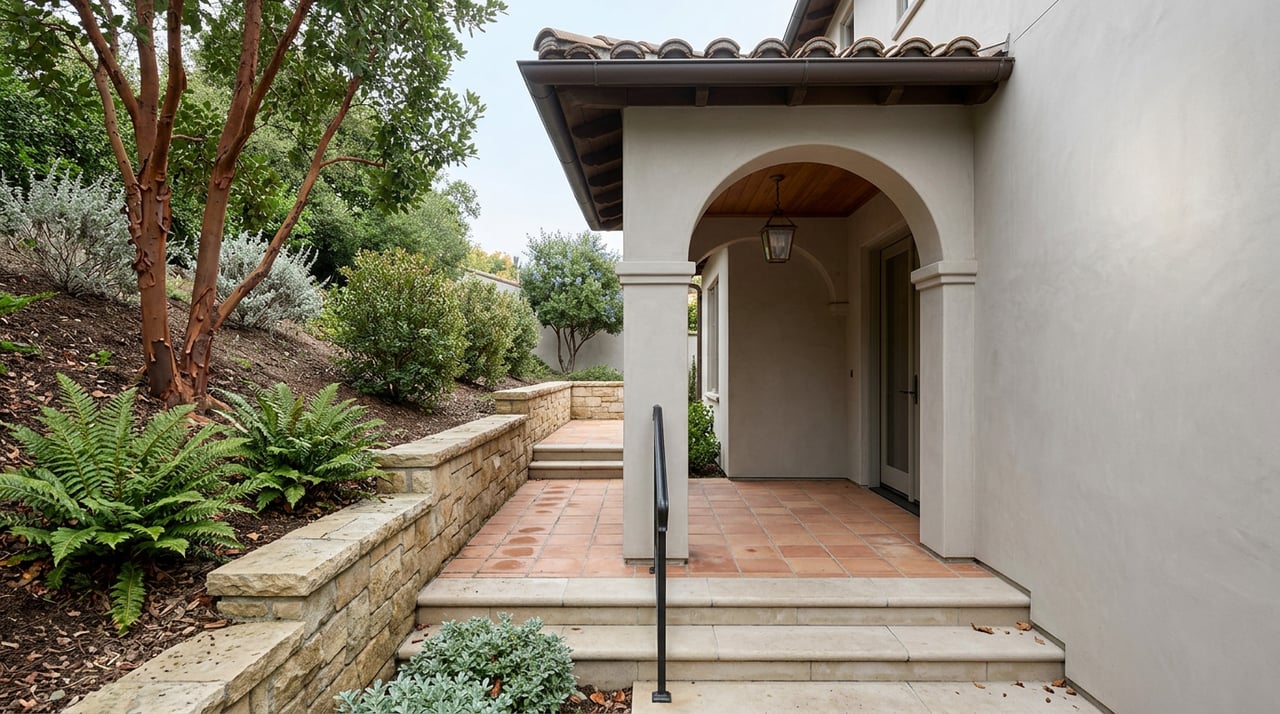
Expect steep lot gradients, retaining walls, and multi‑level floor plans designed around the slope. Long or switchback driveways, narrow lanes, and limited street parking are common, along with multiple exterior stairs. These attributes affect everyday livability and any future construction or renovation plans.
Mill Valley’s microclimates can change block to block. Lower, bayside areas trend cooler and foggier, while many hillside and canyon‑facing lots get more sun and warmth. Sun is a selling point, but it also shapes landscaping choices, irrigation needs, and defensible‑space planning during dry, windy weather.
Wildfire risk, rules, and your offer calendar
California’s Fire Hazard Severity Zone maps were updated for local responsibility areas in 2025, and cities and counties are moving through adoption. The parcel’s current designation matters because it influences building code standards, defensible‑space expectations, and seller disclosures. Always confirm a property’s status in the Office of the State Fire Marshal map viewer.
Marin’s countywide programs are active and hands‑on. The Marin Wildfire Prevention Authority coordinates fuel reduction, home‑hardening grants, defensible‑space inspections, neighborhood chipper days, and evacuation‑route projects. As a buyer or new owner, you should ask whether a property has used these services and plan to tap them after closing if available.
During escrow, AB 38 requires sellers of homes in High or Very High zones to provide documentation of defensible‑space compliance or to use a written buyer‑seller agreement to complete it after closing. Beginning July 1, 2025, sellers must also disclose which low‑cost retrofit items from the State Fire Marshal’s list are complete where required. Since inspectors and paperwork can affect timing, plan your offer and contingency calendar around AB 38 deliverables.
Looking ahead, the state consolidated Wildland‑Urban Interface construction standards in the 2025 code cycle, effective January 1, 2026. If you plan an addition or major exterior work in a mapped area, expect stricter requirements for ignition‑resistant materials like roofing, ember‑resistant vents, windows, and decks. The separate “Zone 0” proposal, which would formalize ember‑resistant clearance within 0 to 5 feet of structures in Very High zones, remains under development. Check the latest local adoption details before you budget for retrofits.
Water, access, and emergency readiness
Marin Municipal Water District serves Mill Valley. Water pressure and hydrant spacing vary by elevation and neighborhood, which can influence required fire‑flow performance and potential upgrades. Ask for hydrant locations and available fire‑flow data early, since that can affect both insurance and project planning.
Many hillside streets are narrow, steep, or lack turnaround space for large apparatus. That can slow emergency response and is a recurring theme in local fire planning and ordinances. Verify driveway grade, legal year‑round access, and any private‑road or HOA maintenance obligations. Your agent can coordinate with the local fire department to understand apparatus access and current evacuation‑route projects.
Slope, drainage, and seismic basics
On sloped parcels, slope stability and drainage are the big technical issues. Retaining walls, older cuts or fills, and springs deserve close attention. If you plan to remodel or add structures, a licensed geotechnical study is standard practice and often required for permitting. Even if you are not building, a geotech review is the safest way to quantify long‑term obligations tied to soil, drainage, and retaining structures.
Liquefaction and surface‑fault‑rupture concerns are more typical of low‑lying or bayfill parcels than steep ridge sites, but every property should be checked in official hazard viewers for seismic, flood, and landslide overlays. Ask the seller for any existing engineering or drainage reports and review them with qualified professionals before you remove contingencies.
How these factors affect price and offers
Hillside and view homes generally command a premium for sun, privacy, and outlooks. Savvy buyers balance that premium against ongoing costs like gutter and roof maintenance to reduce ember buildup, vegetation work to maintain defensible space, retaining‑wall upkeep, and potentially higher insurance. Build those realities into your ceiling price.
Insurance availability and pricing can influence your offer. The state’s Safer from Wildfires program encourages mitigation and can help you discuss credits with insurers, but each carrier controls its own underwriting and appetite. Get quotes from multiple sources early and price any required retrofits into your offer strategy.
Financing and appraisals can be a little more nuanced on unique hillside homes, since comp sets are smaller. Lenders want proof of adequate hazard insurance at closing. For steeper sites, lenders and building departments commonly require geotechnical reports and engineered plans for major earthwork or retaining walls. If you stretch on price relative to limited comps, plan for a possible appraisal gap strategy.
Your buyer checklist for Mill Valley hillsides
Use this list to move quickly and reduce surprises:
- Confirm the property’s Fire Hazard Severity Zone in the state map viewer. Note whether it is in a Local or State Responsibility Area and if AB 38 applies.
- Ask for recent defensible‑space inspections, home‑hardening receipts, and whether the property used any Marin Wildfire grants or chipper services.
- Order the Natural Hazard Disclosure early. Request any existing geotechnical, drainage, or slope‑repair reports from the seller.
- Ask Marin Water for hydrant locations and available fire‑flow data for the parcel. Verify whether any upgrades are planned or required.
- Verify access and egress. Measure driveway and street grades, confirm legal year‑round access, and review any road or HOA maintenance agreements.
- Hire a licensed geotechnical engineer to review soils, groundwater, retaining walls, and outlet drains on sloped lots.
- Obtain preliminary homeowners and wildfire‑exposure quotes from at least two experienced brokers. Price any required retrofits into your offer.
- Pull permit history for slope work, retaining walls, decks, roofs, and major landscape projects. Ask about any open permits or code issues.
- Plan AB 38 timing. Decide if the seller will deliver documentation before close or if you will use a written post‑close agreement.
- Budget for annual maintenance like pruning, gutter cleaning, leaf removal, and chipper services. Explore local grant and community programs.
Local resources
- Marin Wildfire Prevention Authority. Explore grants, chipping, defensible‑space inspections, and neighborhood projects. Marin Wildfire Prevention Authority
- Countywide wildfire risk and priority projects. Marin Community Wildfire Protection Plan
- Check a property’s current hazard designation. CAL FIRE/OSFM Fire Hazard Severity Zones
- Insurance mitigation framework and potential discounts. California Department of Insurance — Safer from Wildfires
- Local fire information and defensible‑space programs. City of Mill Valley Fire Department
- Water supply, hydrants, and system projects. Marin Water
- Sale‑time defensible‑space requirements. AB 38 — Civil Code §1102.19
Ready to tour hillside homes?
If you want views, privacy, and a plan that addresses wildfire, access, insurance, and slope due diligence, you are in the right market. With local context and a steady process, you can buy confidently and enjoy everything Mill Valley’s hillsides offer. For calm, relationship‑first guidance and a clear action plan, connect with Pat Kelly Real Estate.
FAQs
What makes Mill Valley hillside homes different from flats?
- Steeper lots, multi‑level floor plans, narrow streets, more exterior stairs, and microclimate differences that influence sun exposure and defensible‑space planning.
How do 2025 fire‑hazard maps affect a Mill Valley purchase?
- The updated designations influence WUI building standards, defensible‑space rules, and disclosures, so you should confirm the parcel’s status in the state viewer before writing an offer.
What does AB 38 require during escrow for hillside homes?
- For homes in High or Very High zones, sellers must provide defensible‑space documentation or use a written post‑close agreement, and certain low‑cost retrofit disclosures are required beginning July 1, 2025.
Can you get homeowners insurance for a hillside home in 2026?
- Yes, but availability and pricing vary by carrier; get quotes early, document mitigation, and discuss Safer from Wildfires credits with experienced brokers.
Which inspections are most important for steep lots?
- Order the Natural Hazard Disclosure, review any existing engineering reports, check hydrant locations and fire‑flow data, and hire a licensed geotechnical engineer before removing contingencies.